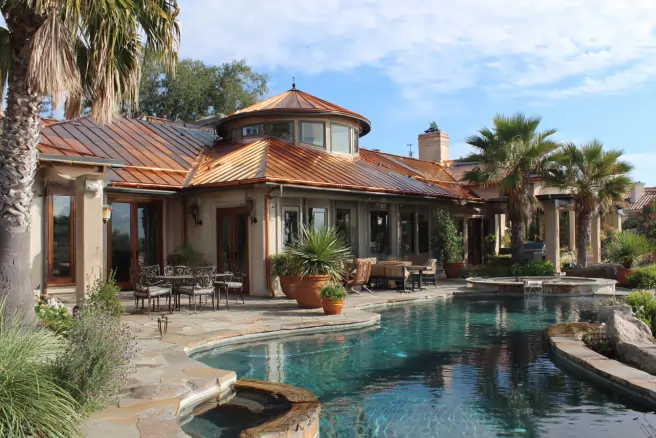
Copper roofs are a premium roofing option known for their durability, aesthetic appeal, and impressive lifespan. Made from a natural, recyclable material, copper roofing has been used in architecture for centuries due to its unique combination of beauty and functionality. In this section, we’ll dive into what makes copper roofs stand out and why they are an excellent choice for homeowners seeking long-term value.
Benefits of Choosing a Metal Roofing Company San Diego, CA for Your Copper Roof
A copper roof is crafted from sheets or tiles of copper metal that cover the structure of your home. Over time, the surface of the copper develops a patina—a natural protective layer that evolves into shades of green or turquoise. This visual transformation not only adds character but also enhances its resistance to environmental elements like corrosion.
Benefits of Hiring a Metal Roofing Contractor San Diego for Your Copper Roof
1. Longevity
- Copper roofs can last over 100 years when properly installed and maintained.
- Unlike asphalt shingles or other materials that may require frequent replacement, copper ages gracefully without losing its structural integrity.
2. Exceptional Durability
- Copper is resistant to harsh weather conditions such as heavy rain, snow, high winds, and hail.
- It does not warp or crack under extreme temperatures.
- The patina it develops serves as an extra layer of protection against environmental damage.
3. Low Maintenance
- Once installed, copper requires minimal upkeep compared to other roofing materials.
- The natural patina protects it from rust and corrosion without requiring chemical treatments.
4. Aesthetic Appeal
- Copper’s distinctive appearance adds elegance and sophistication to any property.
- Over time, the patina achieves a timeless look often associated with historical landmarks or upscale properties.
5. Eco-Friendly Material
- Copper is fully recyclable at the end of its lifecycle.
- Its production generates less waste compared to synthetic materials like asphalt shingles.
Why a Metal Roofer in San Diego Recommends Copper Roofs Over Other Materials
| Feature | Copper Roofs | Asphalt Shingles | Steel Roofs |
| Lifespan | 80–100+ years | 20–30 years | 40–70 years |
| Maintenance Required | Minimal | Moderate | Low |
| Weather Resistance | Excellent | Moderate | High |
| Environmental Impact | Fully Recyclable | Non-recyclable | Partially Recyclable |
| Cost | High Initial Investment | Affordable Initial Cost | Moderate |
Benefits of Choosing a San Diego Standing Seam Metal Roof
Copper roofs are particularly suitable for: 1. High-End Homes: For luxury properties where aesthetics greatly influence resale value. 2. Historic Restorations: To maintain architectural authenticity in older buildings. 3. Coastal Areas: These roofs withstand salt air corrosion better than most other materials. 4. Eco-Conscious Homeowners: Ideal for those seeking sustainable building solutions.
By investing in a copper roof, you’re not just opting for functional superiority but also enhancing the visual appeal and long-term resilience of your home—a decision that pays off both practically and aesthetically over decades. However, also make sure you hire a professional San Diego metal roofing contractor like https://www.sw-metalroofing.com for your metal roof installation. It is important to go with specialists who know what they are doing with an investement like this.
Exploring the Different Types of Copper Roofs for Your Property
Copper roofing is a timeless and elegant choice that combines durability with unmatched aesthetic appeal. When considering a copper roof, it’s essential to understand the different types available and their unique attributes. Here’s a detailed exploration of the primary types of copper roofs to help you make an informed decision.
1. Continuous Copper Roofing
Continuous copper roofing, often referred to as “sheet copper roofing,” involves installing large sheets of copper across the roof’s surface. This type is known for its sleek, uninterrupted look.
Key Features:
– Custom-fabricated to fit your roof’s dimensions perfectly. – Reduces the risk of leaks due to minimal seams. – Ideal for complex or uniquely shaped roofs.
Best Suited For: High-end properties or buildings seeking a clean, modern aesthetic with long-term durability.
2. Standing Seam Copper Roofing
Standing seam copper roofs are characterized by raised seams that lock together, creating defined lines across the surface. These seams provide extra protection against water penetration.
Advantages:
– Offers superior waterproofing capabilities. – Enhances the architectural style with vertical lines. – Easy maintenance due to its modular structure.
| Pros | Cons |
| Highly resistant to weathering | Higher initial installation cost |
| Low maintenance requirements | Requires professional installation |
This type is frequently used on residential homes, churches, and commercial properties looking for both function and form.
3. Copper Shingles
Copper shingles are small tiles made from copper that can be arranged in various patterns to create visually stunning designs on your roof.
Why Choose Copper Shingles?
– Offer unique design flexibility; can mimic traditional shingle aesthetics while using durable materials. – Easier replacement options if damage occurs in isolated areas. – Suitable for homeowners seeking a blend of tradition and modernity.
This option works well on smaller homes or structures requiring intricate detailing.
4. Pre-patinated Copper Roofing
Pre-patinated copper roofing features sheets or tiles treated beforehand to develop the greenish patina associated with aged copper roofs naturally over time.
Benefits of Pre-patinated Copper Roofing:
– Instantly achieves the vintage look many desire without waiting decades for natural aging. – Provides excellent resistance against corrosion and environmental degradation.
It’s a great solution for buildings aiming to achieve an antique look immediately after installation.
5. Flat Seam Copper Panels
Flat seam panels are another option where interlocking sections create flat surfaces across the roof’s plane. These are best suited for low-sloped or curved roofs due to their adaptability.
| Advantages of Flat Seam Panels | Ideal Applications |
| Lightweight yet strong | Domed structures |
| Flexible design options | Low-slope architectural styles |
While it requires meticulous installation, flat seam panels offer long-lasting performance when properly maintained.
Choosing the Right Type of Copper Roof
- For Sleek Modern Designs: Opt for continuous or standing seam systems.
- For Traditional Aesthetics: Consider shingles or pre-patinated options.
- For Unique Roof Shapes: Look into flat seam systems or custom-fabricated solutions.
Each type comes with its own set of benefits tailored to different needs, ensuring there’s an option suitable for every property owner’s preferences and requirements when investing in a quality copper roof system.
Exploring the Different Types of Copper Roofs for Your Property
Copper roofs are renowned for their elegance, durability, and timeless appeal. However, not all copper roofs are created equal. Various types of copper roofing styles and systems are available on the market, each with its own advantages and applications. Understanding these options can help you choose the perfect type of copper roof for your property.
1. Standing Seam Copper Roofs
Standing seam copper roofs are one of the most popular options due to their clean, modern appearance and excellent durability. The design features vertical panels joined by raised seams, which prevent water infiltration and ensure superior weather resistance.
Benefits: – Sleek aesthetics suitable for both traditional and contemporary homes. – Superior protection against leaks due to its interlocking panel system. – Allows thermal expansion without compromising the structure.
Applications:
Often used in high-end residential properties or buildings requiring long-lasting performance.
2. Copper Shingles
Copper shingles combine functionality with a unique aesthetic appeal. They come in small, flat pieces that interlock or overlap to create a durable yet stylish roof.
Benefits: – Lightweight and easy to install compared to full sheets. – Offers excellent flexibility for complex roof designs. – Develops a natural patina over time, enhancing its visual appeal.
Applications:
Ideal for properties with intricate roof shapes or homeowners seeking a rustic or artisanal look.
3. Flat Lock Copper Panels
Flat lock panels offer a sleek finish with tightly locked seams. These panels are custom-fabricated to fit various roof shapes and designs.
| Key Features | Description |
| Installation Style | Overlapping flat sheets secured in place |
| Aesthetic Appeal | Creates a smooth, continuous surface |
| Maintenance | Minimal due to its watertight nature |
Applications:
Widely used on low-slope roofs or architectural projects where smooth surfaces are prioritized.
4. Corrugated Copper Roofing
This style features wavy or ridged panels that lend themselves well to unique architectural designs. Corrugated copper roofing is particularly suited for structures needing enhanced rigidity and strength.
Advantages: – High structural integrity ideal for storm-prone regions. – Cost-effective option compared to more complex systems. – Provides good drainage performance due to its ridged profile.
Applications:
Commonly seen on barns, outbuildings, or modern industrial-inspired designs seeking bold textures.
5. Copper Tiles
Copper tiles mimic the classic look of clay tiles but come with all the benefits of copper as a material. These tiles can be customized into various shapes including barrel-style or flat configurations.
Advantages: – Combines traditional aesthetics with modern functionality. – Resistant to mold, pests, and extreme weather conditions. – Adds significant curb appeal to Mediterranean-style homes or historic restorations.
Comparing Different Types of Copper Roofs
| Type | Key Feature | Best For |
| Standing Seam | Modern & minimalistic design | High-end residential properties |
| Copper Shingles | Rustic & artisanal aesthetics | Complex-shaped roofs |
| Flat Lock Panels | Tightly locked smooth surface | Low-slope architectural projects |
| Corrugated Copper Roofing | Wavy/ridged panel designs | Strong drainage & storm resistance |
| Copper Tiles | Classic clay tile appearance | Mediterranean/historic themes |
Selecting the right type of copper roof depends on your property’s architecture, your budget, and personal preferences in terms of aesthetics and performance requirements. By exploring these options carefully, you can invest in a copper roof that enhances both form and function while standing the test of time.
How Copper Roofs Offer Superior Performance Against Extreme Weather Conditions
Copper roofs are renowned for their ability to withstand extreme weather conditions, making them an excellent long-term investment for homeowners. Their natural properties, combined with durability and resilience, allow them to perform exceptionally well in a variety of challenging climates. Let’s explore how copper roofs excel in diverse weather conditions and why they’re a superior choice compared to other roofing materials.
Resilience Against Heavy Rainfall and Snow
Copper roofs are impermeable to water, providing exceptional protection against leaks caused by heavy rainfall. Additionally, copper’s smooth surface naturally encourages efficient runoff, minimizing the risk of standing water that can lead to structural damage over time.
- Prevents water pooling or leakage.
- Resists rust and corrosion due to its non-ferrous nature.
- Reduces the likelihood of mold or mildew growth beneath the roof material.
In snowy climates, copper’s thermal conductivity helps melt snow quickly when exposed to sunlight. This prevents excessive snow accumulation on the roof, reducing strain on the structure.
Endurance in High Wind Situations
Copper roofs can withstand strong winds better than most conventional roofing materials due to their weight and sturdy installation design. When properly installed with interlocking panels or specialized fasteners, a copper roof can resist wind uplift even during significant storms or hurricanes.
| Material | Wind Resistance |
| Copper Roofing | Up to 140 mph or more* |
| Asphalt Shingles | Typically up to 110 mph |
*Note: Wind resistance depends on proper installation techniques.
Superior Performance in Hailstorms
One of copper’s standout qualities is its toughness against impact from hailstorms. Unlike traditional shingles that may crack or dent under heavy impact, copper is less prone to visible damage because of its malleability and strength. Over time, this helps homeowners save money on repairs caused by hail-related damage.
Tolerance for Extreme Temperatures
- In hot climates: Copper reflects sunlight rather than absorbing heat like asphalt shingles do. This natural reflectivity reduces heat transfer into your home, improving energy efficiency.
- In cold climates: Copper maintains structural integrity without becoming brittle in freezing temperatures.
Additionally, copper expands and contracts minimally with temperature fluctuations compared to other metals like aluminum or steel. This prevents cracking or warping over time.
Resistance Against Fire Hazards
A key safety advantage of copper roofs is their fire resistance. Classified as a non-combustible material (Class A fire rating), copper does not ignite when exposed to embers or flames from nearby wildfires. For homes located in fire-prone areas, this feature is critical for enhanced safety and peace of mind.
Key Takeaways
- Exceptional waterproofing abilities against rain and snow.
- Superior wind resistance with proper installation techniques.
- Long-lasting durability under hail impact.
- Optimal performance across a broad range of temperatures.
- Non-combustible properties ensure fire safety.
For homeowners seeking a reliable roofing solution that combines aesthetics with unmatched performance under harsh environmental factors, copper emerges as an unparalleled choice worth considering.
How Copper Roofs Offer Superior Performance Against Extreme Weather Conditions
Copper roofs are renowned for their ability to withstand harsh weather conditions, making them a preferred choice for homeowners and commercial buildings. From heavy rain to snow, high winds, and intense sunlight, copper stands as one of the most durable roofing materials available.
Resistance to Heavy Rain and Moisture
One of the major advantages of copper roofs is their natural resistance to water. Copper does not rust like other metals because it forms a protective patina over time, which acts as a barrier against corrosion. This feature makes it an excellent option in areas prone to frequent rainfall or high humidity levels.
Here’s why copper excels in wet conditions: – Non-corrosive properties: The patina prevents oxidation that could weaken other materials. – Waterproofing: Proper installation ensures no seams or gaps allow water penetration. – Low maintenance: Unlike shingles, copper does not degrade due to mold or algae growth.
Withstanding High Winds and Storms
Copper roofing is well-known for its ability to resist strong winds and storms due to its durability and secure installation process. When installed correctly, copper panels are tightly fastened, reducing the likelihood of damage from gusty conditions.
Key factors contributing to wind resistance include: – Weight of material: The heaviness of copper prevents dislodging during storms. – Custom fitting: Panels are often customized for a tight fit over underlying structures. – Strength under pressure: Copper can handle extreme forces without cracking or bending.
Snow and Ice Management
For homes located in colder climates, copper roofs excel at managing snow and ice accumulation. Their smooth surface allows snow to slide off easily, preventing hazardous build-ups that could harm the roof structure. Additionally, copper conducts heat efficiently, helping melt ice faster than asphalt shingles or tiles.
Benefits in snowy regions: – Minimized risk of ice dams forming at edges. – Reduced structural stress caused by heavy snow loads. – Longer lifespan due to fewer freeze-thaw cycles affecting the material.
Protection Against Intense Sunlight
In areas prone to intense sunlight and heat exposure, copper roofs maintain their structural integrity exceptionally well. Unlike traditional materials like asphalt shingles that can warp or fade under prolonged UV exposure, copper retains its appearance while reflecting much of the sun’s heat away from your home or building.
Advantages under extreme sunlight: – Energy efficiency through reduced heat absorption. – Patina development that enhances solar reflectivity over time. – Longevity—copper doesn’t degrade under UV rays like organic-based materials do.
Table: Comparison Between Copper Roofs & Other Roofing Materials in Extreme Weather
| Feature | Copper Roofs | Asphalt Shingles | Clay Tiles |
| Corrosion Resistance | High (Patina formation) | Low | Moderate |
| Wind Resistance | Very High | Moderate | Moderate |
| Snow/Ice Management | Excellent | Poor | Good |
| UV/Heat Durability | Excellent | Low | Moderate |
| Maintenance | Low | High | Moderate |
A Worthy Investment for Harsh Climates
Overall, the superior performance of copper roofs across diverse weather conditions justifies their higher upfront cost. Their unmatched properties—ranging from corrosion resistance in rainfall-heavy areas to efficient handling of sunlight—make them a long-term investment for individuals seeking both style and resilience in roofing solutions.
Six Key Differences Between Luxury Copper Roofing and Regular Shingles
When it comes to roofing materials, the choice between luxury copper roofing and traditional asphalt shingles is more than just a matter of aesthetics. Each option offers unique benefits, costs, and performance characteristics. Below, we explore six key differences that set copper roofs apart from regular shingles.
1. Material Longevity
- Copper Roofs: Known for their exceptional lifespan, copper roofs can last over 100 years with minimal maintenance. The material naturally develops a patina over time, which acts as a protective layer against corrosion and weathering.
- Regular Shingles: Asphalt shingles typically last between 20-30 years before requiring replacement. Their lifespan is limited due to wear from UV exposure, water damage, and temperature fluctuations.
| Feature | Copper Roofing | Asphalt Shingles |
| Lifespan | 80–100+ years | 20–30 years |
| Maintenance Needs | Low (patina protects) | Moderate (may need repairs) |
2. Cost Comparison
- Copper Roofs: Initial costs for copper are significantly higher than asphalt shingles due to material quality and installation complexity.
- Regular Shingles: Asphalt shingles are one of the most affordable roofing options available; however, they require more frequent replacement or repair, leading to higher long-term costs.
Average Costs per Square Foot: – Copper roof installation: $15–$25 – Asphalt shingle installation: $3–$5
3. Aesthetic Appeal
Copper roofing is often chosen for its upscale appearance and timeless appeal: – The metal develops a greenish patina over time (e.g., the Statue of Liberty), giving homes a unique look. In contrast: – Asphalt shingles come in various colors but lack the character-rich aging process seen in metals like copper.
Six Key Differences Between Luxury Copper Roofing and Regular Shingles
When deciding on the right roofing material for your property, it’s essential to weigh the pros and cons of various options. Copper roofs and regular asphalt shingles are two widely different choices, suited to different needs and preferences. Below, we break down six key differences between luxury copper roofing and standard shingles to help you make an informed decision.
1. Durability and Lifespan
- Known for its exceptional durability, copper roofs can last over a century with proper maintenance.
- Resistant to rot, corrosion, insect damage, and fire.
- Forms a natural patina over time, which protects the metal from further degradation.
- Typically have a lifespan of 20–30 years depending on material quality.
- Susceptible to damage from harsh weather conditions (e.g., high winds or hail).
- Prone to issues like curling, cracking, or granule loss over time.
2. Aesthetic Appeal
- Offers a distinct architectural appeal with its warm metallic tones that age into a unique greenish-blue patina (verdigris).
- Often seen as a symbol of luxury and craftsmanship in both modern and traditional designs.
- Provides basic aesthetics with limited customization options in terms of color or texture.
- May lack the premium appearance associated with high-end materials like copper or slate.
3. Cost
| Feature | Copper Roofs | Regular Shingles |
| Initial Installation | High ($15–$30/sq ft) | Low ($4–$7/sq ft) |
| Long-Term Value | High | Moderate-Low |
- Copper roofing has higher upfront costs due to the material’s quality and specialized installation process. However, its long-term durability often offsets these expenses over decades.
- Asphalt shingles are affordable initially but may require frequent replacements or repairs due to wear-and-tear.
4. Energy Efficiency
- Reflects sunlight efficiently, reducing heat absorption during summer. This helps lower cooling costs in warm climates.
- Recyclable at the end of its long lifespan—making it environmentally sustainable.
- Typically absorb heat more readily due to darker tones and less reflective surfaces.
- Less eco-friendly as worn-out shingles often end up in landfills.
5. Weather Resistance
- Withstands extreme weather conditions such as heavy rainfall or snow without structural compromise.
- Highly resistant to wind uplift when installed properly.
- Vulnerable to strong winds that can dislodge individual tiles or strips.
- May require frequent maintenance in areas prone to storms or severe weather fluctuations.
6. Maintenance Requirements
- Copper Roofs: Minimal maintenance needs:
- Occasional cleaning of debris such as leaves from valleys or gutters is usually sufficient.
- Patina formation is natural and doesn’t require intervention unless aesthetics demand polishing or sealing.
–Shingle Roofs: Needs inspections for curled edges cracked repairs
Does a Metal Roof Like Copper Increase the Value of Your Home?
Copper roofing is not only a visually striking feature but also an investment that can significantly enhance your home’s market value. Below, we explore the various ways in which copper roofs can contribute to increasing your property’s worth.
1. Exceptional Curb Appeal
- Make your property stand out in the neighborhood.
- Attract potential buyers who value premium materials.
- Create an impression of elegance and sophistication.
Buyers are often willing to pay more for homes with high-end features like copper roofing, making it a valuable addition from both an aesthetic and financial perspective.
2. Higher Durability Equals Increased Value
- Reduced maintenance costs over time.
- Peace of mind for prospective buyers.
- A tangible return on investment when selling your home.
For homeowners looking to avoid frequent roof replacements, a durable material like copper is an appealing selling point.
3. Energy Efficiency Benefits
Copper roofs reflect sunlight effectively, reducing heat absorption during warmer months. This energy efficiency helps lower cooling costs and contributes to sustainability goals—an increasingly important factor among environmentally conscious buyers.
- Homebuyers may appreciate reduced utility bills associated with energy-efficient materials.
- An eco-conscious choice like copper roofing further enhances the perceived value of your property.
Additionally, combining copper roofing with proper insulation ensures year-round comfort while maintaining lower energy expenditures.
4. Low Maintenance Costs
A well-installed copper roof requires minimal upkeep compared to other roofing materials prone to rot, mold, or warping. Its natural resistance to corrosion ensures that it ages gracefully without significant intervention.
| Feature | Benefit |
| Natural corrosion resistance | Prevents rusting and degradation over time |
| Patina development | Protects the roof surface naturally |
| Lightweight material | Reduces strain on structural components |
This low-maintenance quality appeals directly to potential buyers who prefer hassle-free ownership, thus elevating their willingness to invest more in such properties.
5. Increased Resale Value
Studies have shown that adding premium upgrades like metal or copper roofing directly increases home resale values by as much as 6%. For luxury homes or historic properties where architectural integrity matters, features like custom copper accents are especially desirable among discerning buyers.
- The rarity and exclusivity of copper as a roofing material.
- Enhanced longevity translating into long-term savings for future owners.
When combined with other premium finishes throughout the property, a copper roof enhances overall marketability and justifies higher asking prices during resale negotiations.
By combining aesthetic appeal with practical benefits such as energy efficiency, unmatched durability, and low-maintenance requirements, investing in a copper roof not only elevates your home’s functionality but also bolsters its financial worth in today’s competitive real estate market.
- Why San Diego Metal Roofing with Copper is a Great Choice for Your Home
- Key Considerations for Choosing a Metal Roofing Company San Diego, CA
- Ultimate Guide to Copper Roofing: Costs, Pros & Cons, Lifespan, and Installation
- San Diego Metal Roofing: An In-Depth Guide to Styles, Materials, and Design Options for Your Home
- Comprehensive Guide to Metal Roofer in San Diego: Costs, Benefits, and Types
- Ultimate Guide to Metal Roofing Company San Diego, CA: Copper Roof Durability and Long-Lasting Benefits
- Discover the Timeless Appeal of Copper Roofs with a Leading Metal Roofing Company San Diego, CA
- Why Copper Roofing Is Gaining Popularity Among Homeowners Today